
By Heather Barrett, Deputy Director, Belize Foundation for Research and Education
Over-collection for food and the pet trade has pushed wild populations of the critically endangered Central American River Turtle (Dermatemys mawii), known locally as the Hicatee, to the brink of extinction. In Belize, TSAC supports the Belize Foundation for Research and Environmental Education (BFREE) at its Hicatee Conservation and Research Center (HCRC). Located at the BFREE Biological Field Station and Privately Protected Area in southern Belize, the HCRC was established in 2014. Here, eggs are incubated and hatchlings are raised in a protected environment before being released into the wild to help restore populations of this imperiled species.
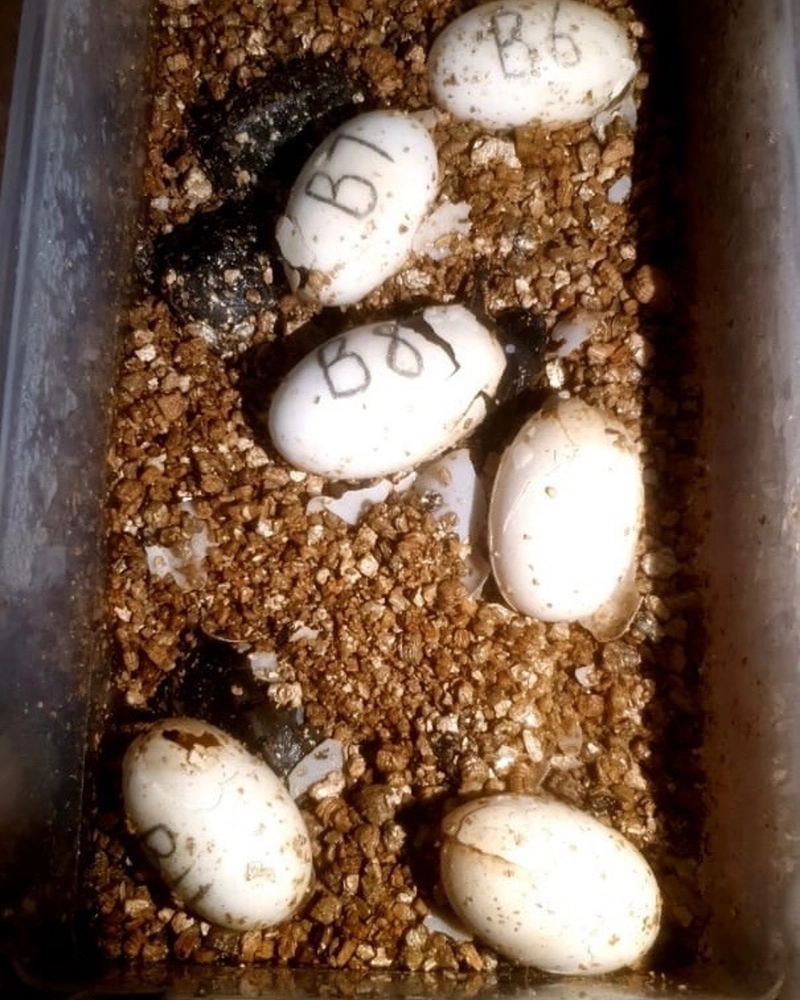
This year, 26 nests were laid by the captive population of Hicatees at the HCRC between November 2025 and January 2026. The HCRC is a captive breeding facility for the critically endangered Central American River turtle.
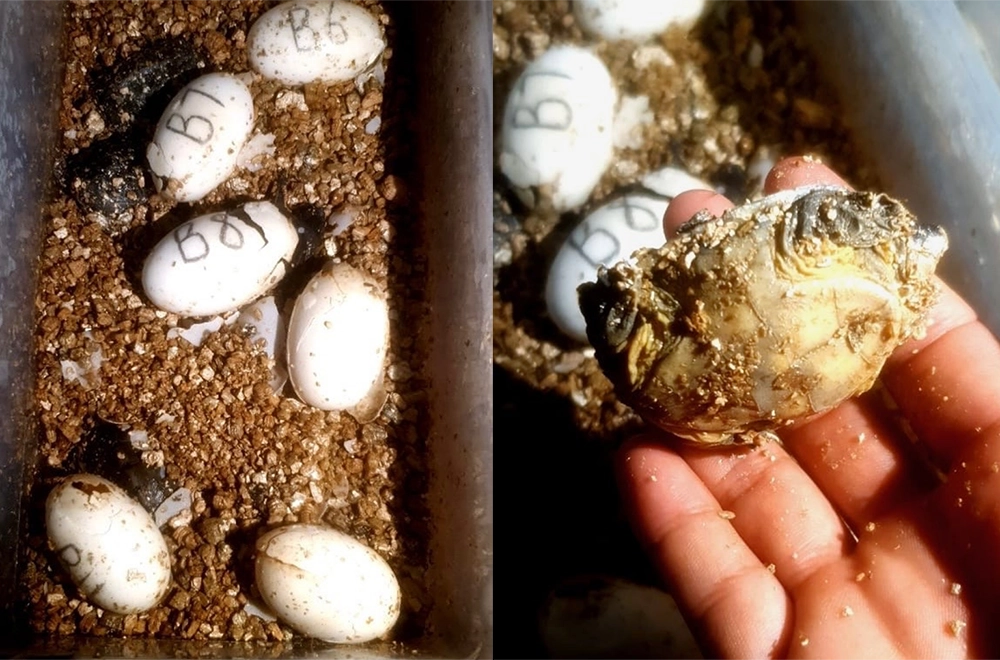
Eggs began hatching in mid-June, and by early August, the final egg had hatched, bringing the total to 201 hatchlings for 2026.After leaving their eggs, turtles are removed from their incubation boxes and kept in small tubs inside the BFREE lab where they are fed grasses and Mazuri turtle diet during the first two to three weeks of their lives. Once they are a few weeks old, they are pit-tagged for identification and moved to larger tubs outside at the HCRC.
Hicatees spend the first months of life floating right at or just below the water’s surface together with other turtles in large groups. They create what looks like a floating mat of small turtles. They occasionally break free from the pod for a breath of fresh air or a bite to eat, but they’re generally quick to return to their group and get back to the important business of sleeping.
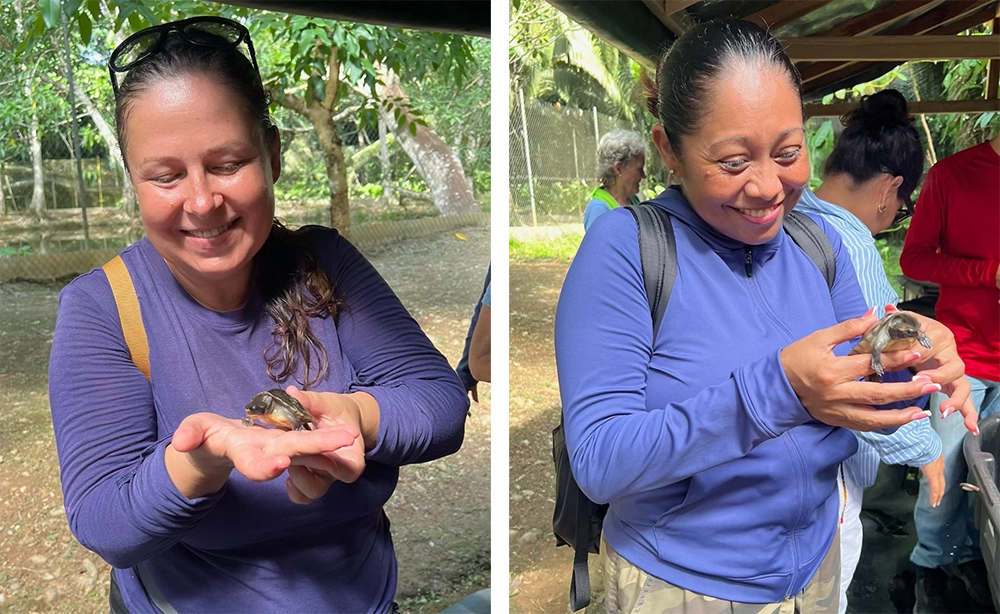
We are pleased to be able to witness and document these behaviors at the HCRC, because it contributes to our understanding of how they might behave in the wild.
We are grateful to TSA Canada for their support of our work at the HCRC. Thanks to their support, we have been able to purchase much-needed supplies and equipment that are critical to the Hicatees during incubation, immediately after hatching, as well as during required health assessments in preparation for their release into the wild. Our next Hicatee Health Assessment will take place in mid-September. We look forward to providing more updates during and after that event.